Choosing an Automotive Robotic Shot Peening Machine is not simply a matter of comparing robot reach or purchase price. The right system must deliver controlled, repeatable impacts across complex parts while fitting the plant’s cycle time, floor space, and production volume. Small details matter. A shadowed gear tooth, a poorly positioned fixture, or inconsistent media flow can undermine coverage, even when the robot follows its programmed path.
Shot-peening specialist John F. Champaigne is widely associated with practical process-control guidance. A useful principle in that spirit is: “Verify intensity and coverage on the part, not just the robot’s programmed motion.” Treat this as a practical summary, not a verbatim quotation. Buyers should examine nozzle design, robot payload and reach, media circulation, dust collection, and access for maintenance. They should also ask how the supplier verifies Almen intensity, coverage, and repeatability on representative components. Request a production-style trial. Bring real parts, including difficult geometries.
A polished demonstration can still leave unanswered questions. Can the cell handle part variation? How quickly can recipes be changed? Are inspection records easy to retrieve? These questions help distinguish a suitable machine from an impressive showroom display. Yet specifications cannot settle everything; actual trials reveal surprises, and sometimes expose assumptions in the buyer’s process. This outline explores the criteria, validation steps, and supplier questions that support a sound decision. The goal is not the most automated cell. It is reliable, documented peening that meets the component’s requirements day after day.
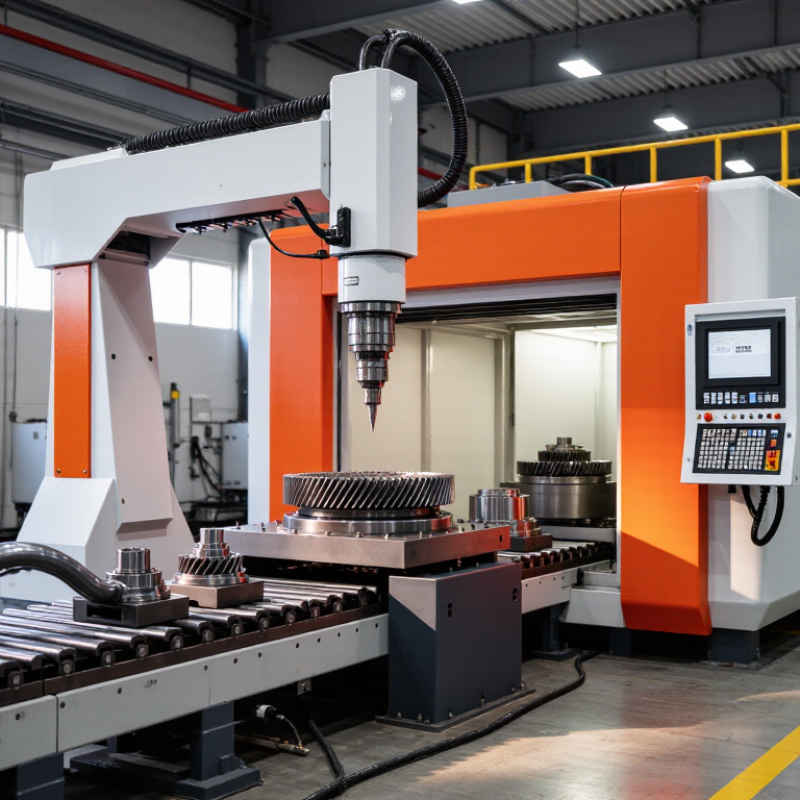
Define the Automotive Robotic Shot Peening Process and Its Applications
How to Choose an Automotive Robotic Shot Peening Machine?
Define the Automotive Robotic Shot Peening Process and Its Applications
Automotive robotic shot peening directs small spherical media onto metal surfaces to create controlled plastic deformation and beneficial compressive residual stress. The impact is controlled. This can help components resist fatigue cracking, especially where cyclic loads are high. The International Federation of Robotics reported about 135,000 industrial robot installations in automotive manufacturing in 2023, showing the sector’s extensive use of automation; this figure is not specific to peening (World Robotics 2024). A robotic cell applies the process along programmed paths, helping maintain nozzle angle, distance, and exposure across complex parts.
Typical applications include coil springs, gears, crankshafts, connecting rods, and transmission components. Choosing a machine means matching its reach and media delivery system to the part geometry and required coverage. Process validation matters too: Almen-strip intensity checks, coverage inspection, and repeatable media-flow controls help confirm that settings are doing their job. SAE J443 provides procedures for determining shot-peening intensity. Still, complicated recesses can remain difficult to reach, so a perfect robot path on screen does not guarantee uniform treatment on the part.
Tips: Trial the most challenging component first. Check shadowed areas, intensity, and coverage before setting production parameters. Record the results; small setup changes can matter.
How to Choose an Automotive Robotic Shot Peening Machine?
Almen Strip Thicknesses Used to Monitor Shot Peening Intensity
Robotic shot peening directs a controlled stream of shot at a component to induce beneficial compressive residual stresses. In automotive manufacturing, it may be specified for parts such as springs, gears, and shafts. Almen strips are used to monitor peening intensity; their nominal thicknesses are standardized, but the required strip type and intensity depend on the part specification. When choosing a machine, check that it can provide repeatable coverage and control of shot flow, exposure, and robot motion.
Nominal Almen strip thicknesses shown in millimetres, converted from inch values in SAE J442. These are strip dimensions, not recommended machine settings.
Identify Workpiece, Coverage, and Production Requirements
Choose the machine around the workpiece, not a headline cycle-rate figure. Record each part’s material, dimensions, mass, and geometry, including holes, recesses, and thin edges. These features affect nozzle access, fixture design, and the risk of uneven treatment. Small details matter. Define required intensity and coverage separately; they are related, but they are not interchangeable. SAE J443 describes Almen-strip intensity verification, while SAE J2277 addresses shot-peening coverage. Use representative parts and a documented inspection method to confirm both before approving a production setup.
Then compare the validated cycle time with actual production demand, including loading, unloading, media checks, and changeovers. A fast blast cycle can still leave a bottleneck at the fixture. The International Federation of Robotics reported about 4.28 million industrial robots in operation worldwide in 2023, up 10% from 2022, in its World Robotics 2024 report. That broader growth signals expanding automation, not proof that every shop needs a fully automated cell. Match robot reach and axes to part variation, batch size, and operator access. One awkward truth: estimates made with a single ideal part often miss real changeover delays. Run trials across the part family, and keep the results.
Compare Robotic Cell Designs and Peening Technologies
A robotic shot peening cell can use a single robot with a rotating fixture or several robots around a fixed part. A rotating fixture exposes different surfaces with a compact layout, but tall or irregular components may hide behind clamps. Multiple robots can reach opposing faces in one cycle. They also need careful coordination to prevent collisions and uneven exposure.
Access matters.
Compare the process technology as closely as the cell layout. Air-blast systems propel shot through a nozzle, allowing flexible paths around ribs, fillets, and recessed features. Their results depend on stable air pressure, nozzle distance, and shot flow. Centrifugal-wheel systems move shot with a spinning wheel and can deliver high throughput on repeatable surfaces. They are less adaptable to tight, changing geometries, and may require more fixture planning.
Ask how each design controls coverage, not just cycle time.
Request test data for the actual part material and geometry, including intensity checks with Almen strips and documented coverage inspections. Look for accessible media recovery points, sealed doors, and clear maintenance access; a cell that is difficult to clean can lose availability. During trials, watch the robot’s path near deep pockets. A small shadowed area can be easy to miss, and simulation alone may not reveal it. No layout is perfect. The best comparison uses representative parts, real fixtures, and measured process results.
Evaluate Machine Performance, Safety, and Integration Needs
A robotic shot peening cell should be judged by repeatable coverage, not robot speed alone. Ask for intensity, coverage, and media-flow data from representative parts. Check whether the robot can reach narrow ribs and curved surfaces without collisions. A fixture that shifts slightly may create uneven treatment. Request sample runs using your actual component geometry and production settings, then inspect coverage and part condition.
Tips: Bring a difficult part, not an ideal sample. Confirm nozzle access, angle, and changeover time. Small gaps matter.
Safety and integration deserve equal attention. Verify enclosure integrity, interlocked doors, dust collection, and safe recovery after a fault. Operators should see machine status clearly and load parts without reaching into hazardous motion. Review how recipes, alarms, and production counts connect to existing controls. Confirm whether the cell can exchange data with upstream handling or plant systems. A polished cycle-time chart may still hide awkward maintenance access or lengthy media replenishment. Be candid about these trade-offs. The right machine may need a slower cycle to maintain consistency. Before purchase, define acceptance tests, training needs, and responsibility for process validation.
Assess Total Cost, Supplier Support, and Validation Options
An automotive robotic shot peening cell should be judged by cost per accepted part, not purchase price alone. Include the robot, blast equipment, guarding, dust collection, media, compressed air, tooling, training, and planned downtime. The first quote rarely tells the whole story. IFR’s World Robotics 2024 report recorded 541,302 industrial robot installations worldwide in 2023. That figure shows broad adoption, but it does not guarantee peening quality.
Tips: Ask suppliers to estimate consumables, maintenance, and service costs over a realistic operating year. Get response times, spare-part availability, operator training, and remote support in writing. Use your own shift pattern and part mix. Small details matter.
Before approval, request documented trials using representative components and agreed acceptance criteria. Review Almen-strip intensity, coverage evidence, and repeatability across operators and shifts. Add residual-stress testing when the component specification requires it. Ask for raw test records, not only a polished demonstration. A capable supplier should explain process limits, failed trials, and corrective actions. That conversation can be uncomfortable—and useful.
FAQS
A robot directs small spherical media onto metal surfaces. The impacts create controlled deformation and compressive residual stress. The aim is better fatigue resistance.
Common parts include coil springs, gears, crankshafts, connecting rods, and transmission components. Deep recesses can be tricky.
It can help parts resist fatigue cracking under repeated loads. Results depend on the material, coverage, and process settings.
Match robot reach and media delivery to the part’s shape. Check fixture access, coverage control, maintenance access, and cycle needs.
Air-blast systems use a nozzle and can follow flexible paths around ribs and recesses. Centrifugal wheels can process repeatable surfaces quickly, but may suit changing geometries less well.
A rotating fixture can create a compact cell, but clamps may hide surfaces. Multiple robots can reach opposing faces, though coordination and collision checks matter.
Use intensity checks with Almen strips and inspect coverage on the actual component. Record media flow and other settings. Small changes matter.
No. A screen path may miss a shadowed pocket or surface behind a clamp. Test the hardest-to-reach area first. Real parts can surprise you.
Conclusion
Choosing an Automotive Robotic Shot Peening Machine begins with understanding the process: robotic equipment directs controlled streams of shot media onto metal surfaces to improve fatigue resistance and surface performance. Common automotive applications include treating components such as springs, gears, shafts, and other parts that face repeated stress. The right solution depends on the workpiece’s size, shape, material, required surface coverage, and expected production volume. These factors help determine the robot’s reach, tooling, media delivery method, and level of automation.
Compare cell layouts and peening technologies, then assess process consistency, cycle time, media control, operator safety, and integration with existing production systems. Consider how the machine will be monitored, maintained, and validated to confirm that it meets process requirements. Total cost should include installation, training, consumables, upkeep, and potential production downtime—not just the initial purchase. Finally, evaluate supplier support and available testing options to ensure the selected system can be commissioned effectively and continue to meet changing manufacturing needs.

